Feb 13, 2026
Flooring & Joint Sealing
Joint sealing and movement: why the gaps in concrete matter
The joints in a concrete structure are not flaws. They are essential, and when they fail the damage spreads fast.
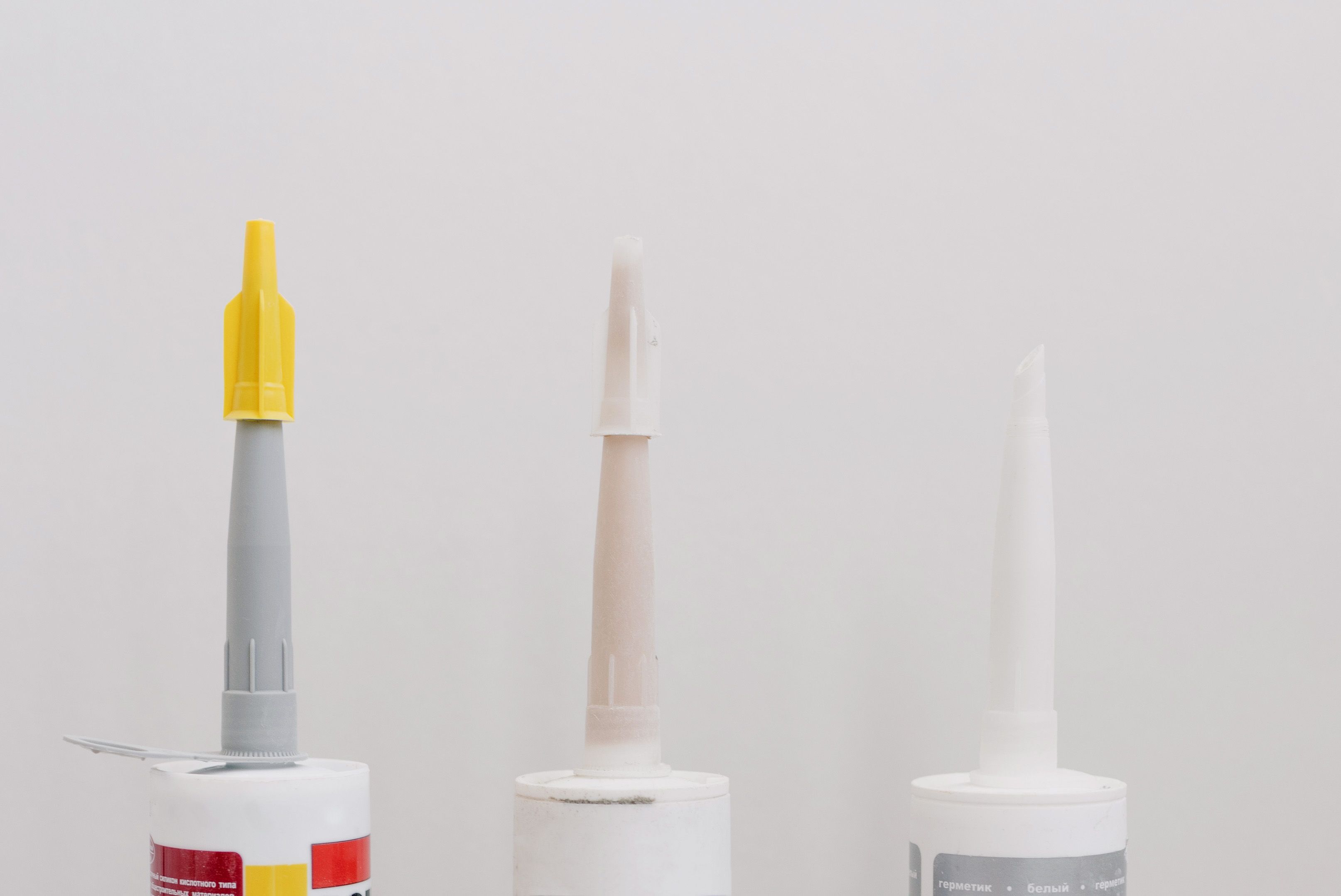
To most people, the joints and gaps in a concrete floor or structure look like imperfections. In reality they are one of the most important parts of the design. Concrete moves. It expands and contracts with temperature, it shifts slightly under load, and it responds to the settling of the ground beneath it. Joints are what allow that movement to happen safely. When joints are missing, badly placed, or poorly sealed, that movement has nowhere to go, and the concrete cracks instead.
Why concrete needs to move
A large slab or structure that could not move at all would tear itself apart. As temperatures rise and fall, concrete expands and contracts measurably. Joints give that movement a controlled place to occur, rather than letting it crack the slab at random. This is why properly designed structures have movement joints, expansion joints, and construction joints built in from the start. They are working parts of the structure, not afterthoughts.
What happens when joints fail
A failed or poorly sealed joint causes problems that spread well beyond the joint itself:
Water enters through the open joint and attacks the concrete and the steel beneath
Dirt and debris pack into the gap, stopping the joint from moving as intended
Edges break down under traffic, especially in industrial floors with forklift and pallet movement
Movement that the joint can no longer absorb transfers into the slab, causing cracks elsewhere
Why this matters most in industrial settings
In an industrial floor, joints take constant punishment. Hard wheels and heavy loads hammer joint edges thousands of times a day. A joint that is not properly sealed and supported breaks down at the edges, creating a rough, damaging surface, a trip and equipment hazard, and an entry point for water and contamination. Good joint sealing is not cosmetic in these environments. It protects the floor, the operation, and the safety of the people working on it.
Sealing done correctly
Effective joint sealing means using the right sealant for the movement and conditions the joint actually faces, preparing the joint properly, and installing it so it can flex as designed while keeping water and debris out. The right system accommodates movement, protects the edges, and lasts. The wrong one fails quickly and takes the surrounding concrete with it.
Protect the joints, protect the structure
Cretecor has carried out flooring and joint sealing across industrial sites in Mozambique for decades, placing large volumes of specialist jointing material as part of everyday work. Joints are easy to overlook until they fail, and by then the damage has usually spread into the slab. If the joints in your floor or structure are breaking down, sealing them properly now protects everything around them.
Insights & Article


